Members Only: How British Telly Fandom Made Having an Opinion a Loyalty Test

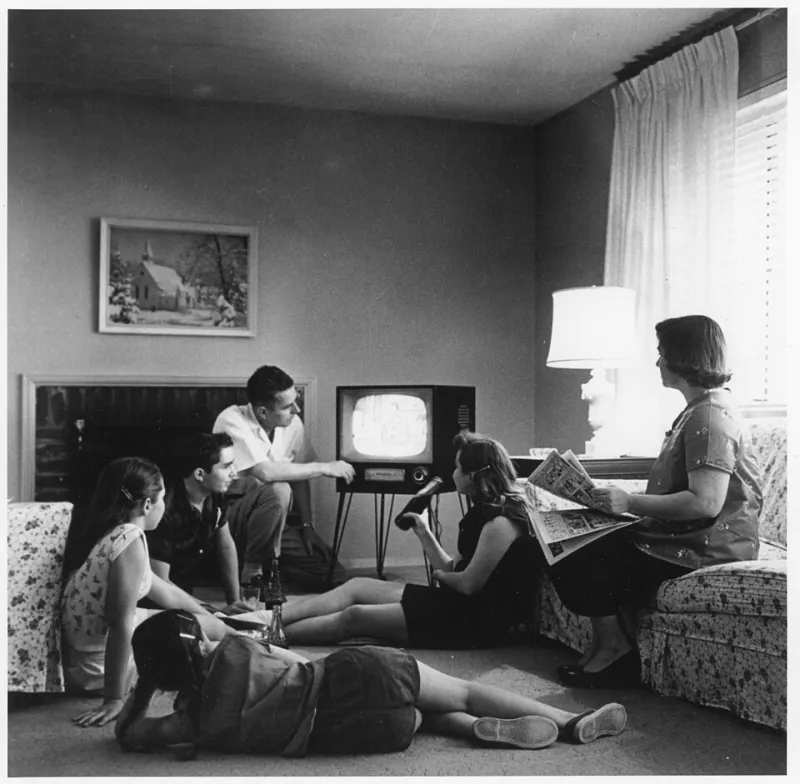
Photo: freewheelinbiker, CC BY 2.0, via Wikimedia Commons
There’s a particular look you get in a group chat when you admit you didn’t love the show everyone else is mainlining. It’s not quite disgust. It’s more the face you’d make if someone said they’d never seen The Office or didn’t really get the fuss about a Sunday-night detective. A small, polite alarm. And then, almost on cue, the same phrase lands: ‘It’s just not for you.’
Fair enough. Not everything is for everyone. But in 2026, ‘not for you’ has stopped being a reasonable observation and started being a tactical weapon. It’s the sentence equivalent of closing the curtains. It doesn’t invite a discussion; it ends one. And British telly fandom — the corner of the internet that lives for overnight ratings, trailer breakdowns and episode-by-episode theories — has become very good at using it.
The new house rule: thou shalt not shrug
There has always been passionate fandom. People have written letters about Doctor Who, argued about soap plotlines in canteens, and fallen out over whether a sitcom jumped the shark. What feels different now is the speed and uniformity of the defence. A negative review doesn’t get read as one person’s view; it gets read as an attack on the people who love the thing.
That’s the switch. Criticism used to be part of the fun. You’d watch a show, decide it was a bit baggy in the middle, and cheerfully explain why to anyone within earshot. Now a mixed verdict can trigger a pile-on before the credits have finished rolling. The replies are rarely about the actual point being made. They’re about the critic’s motives, their taste, their apparent desire to ruin something lovely. ‘Let people enjoy things’ gets deployed as if enjoyment is a fragile public service and any dissent is vandalism.
But here’s the thing: letting people enjoy things doesn’t require pretending every show is bulletproof. You can love a programme and still admit the second series lost its nerve. You can be a fan and still think the finale was nonsense. In fact, that’s usually what proper fandom looks like — affection with the eyes open.
‘Not for you’ is doing a lot of heavy lifting
The phrase itself isn’t the problem. Some telly genuinely isn’t aimed at me. I’m not the target audience for a glossy reality format about people renovating yachts, and I’m at peace with that. But ‘not for you’ has become a catch-all defence that can be slapped on any criticism, however specific. Didn’t like the pacing? Not for you. Found the dialogue tin-eared? Not for you. Think the plot collapsed under the weight of its own mythology? Sorry, mate — not for you.
It’s a clever move because it makes the critic the issue. Instead of asking whether the show worked, the conversation becomes about whether you had the right to speak. That’s exhausting. It also makes fandom feel less like a party and more like a members’ club with a very strict dress code. You can come in, but only if you agree to say the right things.
And British telly has a particular flavour of this. We’re a nation that likes to be nice about the things we’ve decided are national treasures. Criticising a beloved BBC drama can feel like heckling a village fete. So the defence goes up early: don’t be negative, don’t spoil it for everyone, don’t be one of those people. The result is a strange politeness that isn’t really polite at all. It’s just agreement with better manners.
The pile-on is the point
There’s also a performative element to all this. On X, TikTok and the more excitable corners of Reddit, outrage travels. A measured review gets a handful of likes. A review that says ‘actually, this was a bit rubbish’ gets quote-posted, stitched, duetted and turned into a side of beef. The pile-on becomes the content. The original argument is almost irrelevant; what matters is the spectacle of people rushing to defend the show and, by extension, themselves.
That’s not fandom, really. It’s tribalism with a streaming subscription. And it’s tiring for the rest of us, the ones who just want to say ‘I liked the first half, got bored in episode four, and thought the dog was good.’ That’s not a hot take. It’s a review. But in the current climate, even a mild shrug can feel like you’ve turned up to a wedding in jeans.
What we lose when every take has to be a nice one
If every conversation about telly has to be a nice one, we don’t get better telly. We get safer telly. Writers and producers learn that the loudest fans will defend anything, so why bother fixing the saggy middle? Commissioners see a show trending and assume that means universal adoration, when half the posts are just people arguing about whether it’s allowed to criticise it.
We also lose the pleasure of proper debate. The Monday morning post-mortem used to be half the fun: what worked, what didn’t, who was right about the ending. Now those chats can curdle fast, because someone will always take a negative opinion personally. The group chat goes quiet. The thread gets locked. The show survives, but the conversation doesn’t.
None of this means we should all become sneering cynics. There’s enough bad-faith criticism online without adding to it. But there’s a difference between being unkind and being honest. A show can be your favourite thing in the world and still have a duff episode. A fan can love something and still want it to be better. That’s not betrayal. That’s the whole point.
So next time someone says they didn’t rate the new series, maybe don’t reach for ‘not for you.’ Ask what they didn’t like. You might disagree. You might even enjoy the argument. And if that feels too much like hard work, remember: criticism isn’t a loyalty test. It’s just telly. Let people dislike things, too.