Fifteen Seconds to Funny: British Comedy Is Writing for the Thumb Now

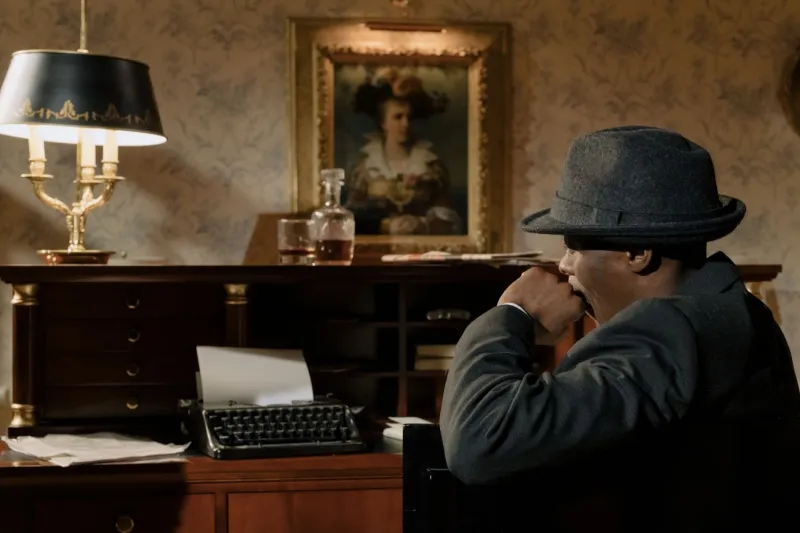
Photo: Chad J. McNeeley, U.S. Navy, Public domain, via Wikimedia Commons
British comedy has always had a rhythm. Set-up, pause, punchline, slight smirk, next line. Think Del Boy falling through a bar, Mark Corrigan's internal scream, or a panel-show contestant saying the wrong thing with perfect timing. In 2026, that rhythm is being remixed by a thumb.
TikTok and short-form video have not just changed how we watch comedy. They have changed how it is written, performed and sold. The clip is no longer the trailer for the joke. Too often, it is the joke. And the people making British comedy are learning to live with that.
The punchline is now a scroll-stopper
Stand-ups have always used live gigs to test material. Now they also test it for the algorithm. A routine that kills at the Edinburgh Fringe can die on TikTok if the first three seconds do not grab. A silly facial expression or a perfectly timed cut can turn a mid-tier bit into a tour-seller. Comedy has always been commercial, but the feedback loop is now instant and brutal.
Comedians are increasingly writing with the vertical frame in mind: tight close-ups, quick reversals, a caption that does half the work. The result is a new kind of comedy grammar. Faster. More visual. Less patient. It is not that British comedy has suddenly become American-style gag-a-second, but the pressure to front-load the funny is real.
Panel shows have become clip factories, too. A six-minute segment on Would I Lie to You? or Taskmaster can spawn a dozen viral moments, each stripped of context and repackaged for people who will never watch the full episode. That is not necessarily bad. It is just different. The clip brings in new viewers, but it also teaches commissioners that the most valuable part of a show is the bit that fits in a group chat.
From Fringe to For You
The live circuit is feeling it. Tour promoters now look at a comedian's online numbers as closely as their reviews. A viral sketch can sell tickets in cities where the performer has never played. That is a genuine opportunity for acts who might otherwise spend years grinding through small rooms.
But there is a catch. The stuff that travels online is not always the stuff that sustains a two-hour live show. A brilliant 15-second character can become a prison if the audience expects the same bit on loop. The comedians who last are the ones who can use the clip as a doorway, not a cage.
Meanwhile, the Edinburgh Fringe has become a content farm as much as a comedy festival. Shows are designed with a 'clipable moment' baked in. Publicists hunt for the bit that will play well without sound. Everyone is aware that a single TikTok can change the trajectory of a career. That is exciting, but it also means the tail is wagging the dog.
What short-form does to a joke
Short-form rewards the instant hit. It does not have much time for the slow build, the character work, the weird little detour that pays off two minutes later. It wants the punchline now, then another, then another. That is why so much viral comedy feels like a series of hooks rather than a story. It is designed to stop the scroll, not to sit with you.
There is skill in that. Timing a 15-second sketch is genuinely hard. Writing a caption that makes someone share it is a craft. But it is a different craft from writing a sitcom. The old British sitcom was built on accumulation: running jokes, familiar sets, characters who reveal themselves over six episodes. The new comedy economy is built on extraction: the funniest bit, ripped out and sent to your mates.
That does not mean short-form is the enemy. Some of the best comedy of 2026 lives in the margins: a deadpan skit about office politics, a spoof advert, a comedian doing a perfect regional accent in a kitchen. The feed has opened doors for voices that telly might have ignored. It has also made comedy more democratic, more immediate and more disposable.
The commissioning elephant in the room
TV commissioners are not immune. They watch the same feeds as everyone else, and they can see which clips are getting traction. That has led to a commissioning landscape where shows are pitched with built-in 'viral moments' and pilots are judged on whether they can produce a clip that travels.
For British comedy, which has traditionally been allowed to grow slowly, that is a worry. The Office took a while to find its audience. Peep Show was never an overnight ratings smash. Gavin & Stacey became a national treasure through word of mouth and repetition. None of those shows would necessarily survive a development process that demanded a 15-second hook before the opening credits.
The risk is a two-tier comedy culture: clipped-up panel shows and sketch accounts thriving, while scripted comedy gets squeezed because it is harder to sell in a feed. That would be a loss, not just for telly but for the way British humour develops. We are good at slow. We are good at awkward. We are good at a joke that arrives just when you have relaxed.
Can the slow-burn sitcom survive?
Yes, if the industry stops treating TikTok as the enemy and starts treating it as a shop window. A clip can bring new audiences to a sitcom. Derry Girls, Gavin & Stacey and The Office all have moments that work out of context, but their power comes from context. The clip is the invitation, not the whole party.
There is also a creative opportunity here. Short-form has taught a generation of performers to be direct, visual and punchy. Bring that energy into a half-hour script and you might get something genuinely new: a sitcom that understands the feed without being owned by it. A show that can produce a brilliant clip but does not collapse without one.
But the punchline cannot only land in 15 seconds. British comedy's greatest weapon has always been the slow build: the awkward silence, the lingering look, the joke that arrives just when you have relaxed. If we lose that, we will not just lose the sitcom. We will lose the pleasure of waiting for the laugh. And that would be no laughing matter.