The Past Is a Safe Pair of Hands: Britain’s Revival Habit Needs a Reality Check
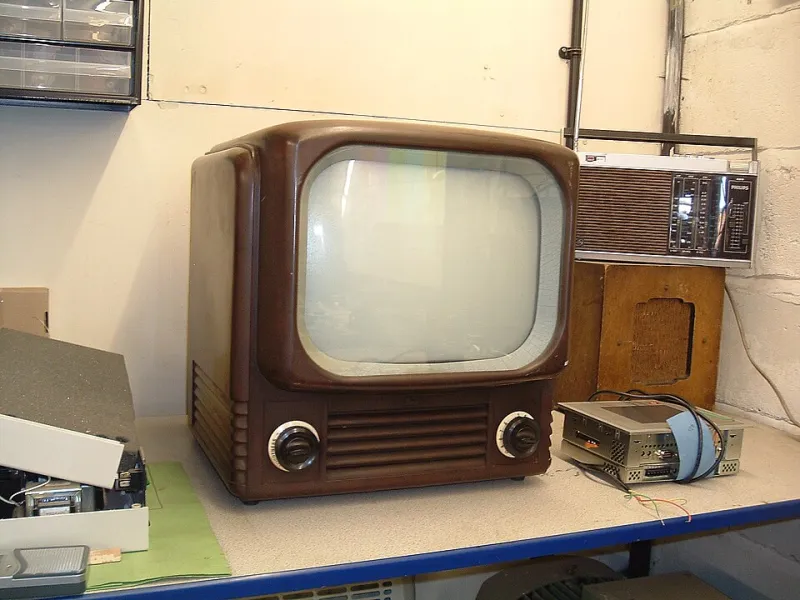
Photo: electromechanic812291, CC BY 2.0, via Wikimedia Commons
There is a particular sound to modern British telly scheduling. It is the sound of a dusty theme tune being dusted off, given a string section and a glossy trailer, while a commissioning editor somewhere whispers the words every channel loves: “But people already know it.”
In 2026, the revival is no longer a novelty. It is the default. Quiz formats are back with new hosts and slightly shinier lights. Sitcoms are being coaxed out of retirement like a beloved uncle who has been asked to say the catchphrase one more time. Dramas from the archive are getting the prestige treatment, complete with moody colour grading and a soundtrack that sounds suspiciously like a car advert. British telly has discovered the back catalogue, and it is rooting through it like a box of old CDs.
The comfort blanket has a business plan
Let’s be fair to the revival. It makes a certain grim sense. Telly is expensive, attention is scattered, and a known title arrives with a built-in advantage: people already have a memory of it. A new show has to explain itself. A revival only has to remind you. In a crowded market, that reminder is worth a lot. It is also why the schedules feel so familiar. The risk isn’t in the format; it’s in the hope that familiarity will do the heavy lifting.
The audience, meanwhile, has developed a very British relationship with the revival boom. We complain about it online, loudly and with GIFs, and then we watch anyway. We say we want original voices, then we click on the trailer for a game show we half-remember from a rainy Sunday in 2004. We are not innocent in this. Nostalgia is not just a broadcaster’s habit; it is a viewer’s comfort food. The revival works because we let it.
Why we moan, then press play
There is a reason the revival is so seductive. New comedy is hard. New drama is harder. A new format has to build a relationship from scratch, and in a fragmented telly landscape, that takes time and patience. A revival walks in with the relationship already half-built. It can skip the awkward first date and go straight to the bit where everyone remembers why they liked each other.
But that shortcut has a cost. When the archive becomes the safest bet, the edges get sanded off. Revivals tend to arrive with a strange kind of reverence, as if the original was a national monument rather than a TV show made by people who were also just trying to get it right. The result is often polished, careful and oddly weightless. It looks like the thing you loved, but it doesn’t quite feel like it. The jokes land a beat late. The stakes feel lower. The whole thing has the air of a reunion where everyone is on their best behaviour.
That is not to say revivals can’t work. Some do, and when they do, it’s usually because they don’t just recreate the old show. They find a reason for it to exist now. They update the rhythm, change the cast chemistry, or use the format to say something about how the country has changed. The good ones treat the original as a starting point, not a shrine.
The creative dead end is not inevitable
The bigger worry is what the revival boom crowds out. Every slot given to a revived quiz or a rebooted sitcom is a slot not given to a new writer with a strange idea and a tiny budget. British telly has a long history of letting odd, specific shows find an audience. The revival economy is less interested in odd. It wants recognisable. It wants the thing that can be sold with a familiar logo and a knowing voiceover.
And yet, the audience is not stupid. We can tell the difference between a revival with a point of view and a revival that exists because someone in a meeting said the word “IP” and everyone nodded. The former can be a genuine pleasure. The latter is just scheduling with a nostalgia filter. The problem is that the latter is easier to commission, easier to market and easier to defend when the ratings are merely fine rather than spectacular.
So where does that leave British telly in 2026? Not at a dead end, exactly. More like a roundabout. We keep going past the same familiar exits because they are easy to recognise, even as we complain that we never end up anywhere new. The revival is not the enemy. The enemy is the assumption that the past is the only safe pair of hands.
A nation of telly hoarders
There is something very British about all this. We are a country that keeps old sitcoms in the cupboard like tins of soup, just in case. We like a repeat. We like a familiar theme tune. We like the feeling of knowing what’s coming next. But we also like being surprised, and that is the bit the revival boom keeps forgetting. Nostalgia can open the door, but it can’t fill the room.
If British telly wants to keep raiding the archive, fine. But it should do it with a bit more nerve. Bring back the formats, but let them be messy. Give the old shows a new voice instead of a new coat of paint. And maybe, just maybe, spend a little less time asking what we used to love and a little more time asking what we might love next. The past is a safe pair of hands, but it can’t hold the whole schedule forever.