Bring Back the Interval: Why Cinema’s Runtime Problem Has Gone Full Epic
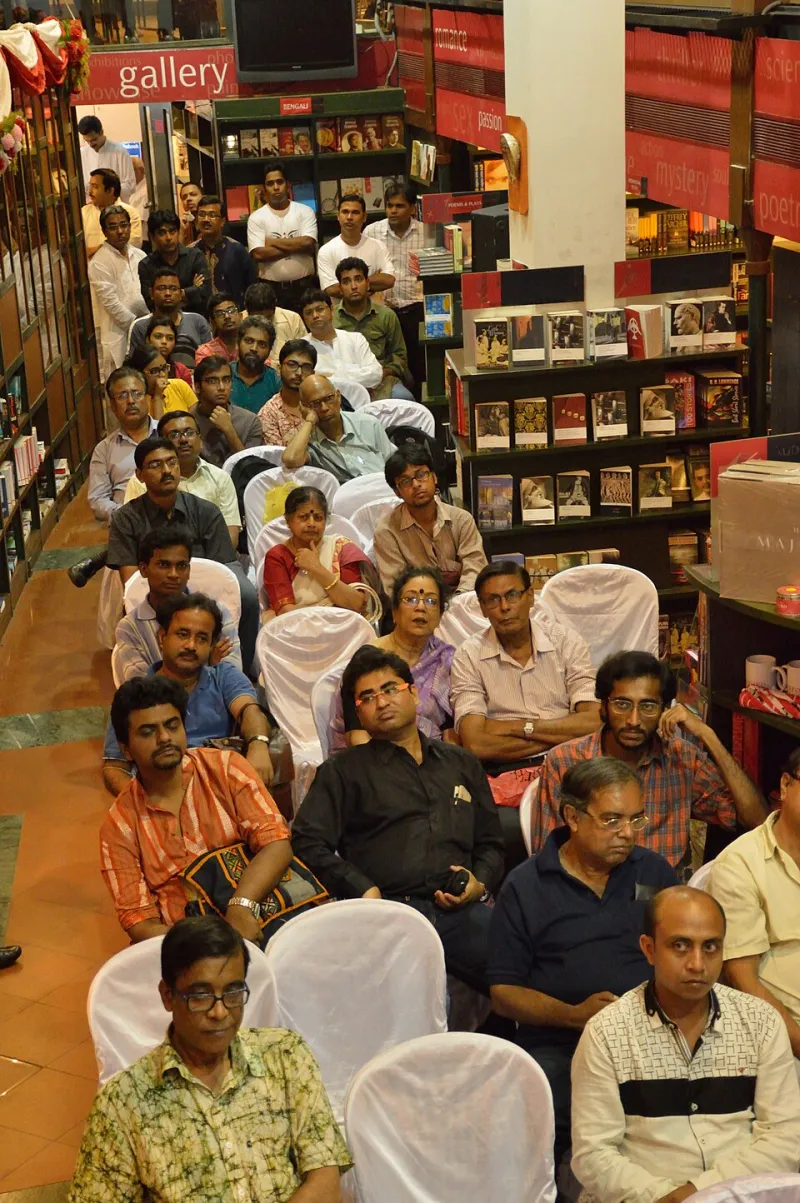
Photo: Biswarup Ganguly, CC BY 3.0, via Wikimedia Commons
There is a moment in every modern blockbuster when the film stops and your bladder starts. You check the time. You've been in the cinema for two hours and the villain has only just explained his plan. The film is two hours forty before the credits, and you're already calculating whether you can make it to the loo and back without missing a plot twist. Welcome to the age of the super-sized movie.
The runtime creep is real
Blockbusters used to be lean. Ninety minutes, maybe two hours, in and out, job done. Now the tentpoles are pushing two hours forty, and the awards hopefuls are treating three hours as a personality trait. Part of it is ambition. Part of it is franchise world-building. Part of it is the fact that directors with final cut will not be told to trim the scene where someone stares at a horizon for ninety seconds. And part of it is the streaming-era belief that longer equals more substantial. It doesn't. A long film can be magnificent. A long film can also be a hostage situation with a soundtrack.
The box-office context matters. Longer films mean fewer screenings per day, which is bad for cinemas. But premium formats and event status can offset that. If a film is a genuine spectacle, people will pay for the big screen. The problem is that not every two-hour-forty film is a spectacle. Some are just a two-hour film with an extra forty minutes of people looking worried in corridors.
The UK cinema trip is now a logistical operation
A trip to the pictures used to be simple. You turned up, bought a ticket, maybe bought some popcorn, and sat down. Now it's a logistics meeting. You book seats online. You pay a booking fee. You arrive early because the ads and trailers are a solid twenty-five minutes. You buy a drink because you're a human being with a mouth. Then the film starts, and you realise you've made a terrible mistake.
By the time the second act begins, you're doing bladder maths. If I leave now, I'll miss the big emotional scene. If I wait, I'll miss the big action scene. The aisle seat is no longer a preference; it's a survival strategy. You climb over knees, whispering sorry, sorry, sorry, and the person behind you sighs like you've personally ruined their evening. You come back and everyone is crying and you don't know why. Was it the dog? Was it the dad? Was it the bit with the lighthouse? Nobody will tell you because they're too busy being moved.
Odeon, Cineworld, Vue, Everyman, Picturehouse — the venue doesn't matter. The runtime does. A two-hour-forty film plus trailers plus travel plus parking plus the last train home is not an evening out. It's an expedition.
Does the interval campaign have a point?
Yes. The old-school interval is not just nostalgia. Bollywood films have intervals. Theatre has intervals. Some European cinemas still do it. A ten-minute break in a long film would sell more drinks and snacks, give people a loo break and create a shared pause. It would also acknowledge that human beings have bodies. The counterargument is that it breaks immersion and adds to the runtime. But if a film is already two hours forty, a ten-minute interval is not the problem. The problem is the two hours forty.
The interval campaign has a point, even if it doesn't need to apply to every film. A ninety-minute comedy does not need a break. A three-hour awards bait epic with four endings and a subplot about a podcast? Absolutely. Bring back the interval. Let the audience breathe. Let the cinema sell another Tango Ice Blast. Let the bladder have a fighting chance.
Warning signs a film needed a firmer edit
- The opening narration explains the rules of a world you'd understand in ten minutes anyway.
- There are three endings, and you've already had a satisfying cry at the second one.
- A supporting character gets a full backstory and then disappears before the final act.
- The villain monologues twice, and the second time is just a recap with better lighting.
- Someone says we don't have much time, and then the film has forty-five minutes left.
- There's a needle drop every fifteen minutes to wake you up.
- The title card says Part One and nothing is resolved.
- You check the time and the clock appears to have moved backwards.
- The couple next to you have both checked their phones, and one of them has googled the plot.
- The mid-credits scene is better than the entire last act.
At The Super Media, we love a big-screen swing. We love a director with a vision. But cinema should be an event, not an endurance test. In 2026, we can have big films and comfortable bladders. Bring back the interval, tighten the edit, and let the audience leave the screen without a sprint. The best films earn their runtime. The rest just need a scissors.